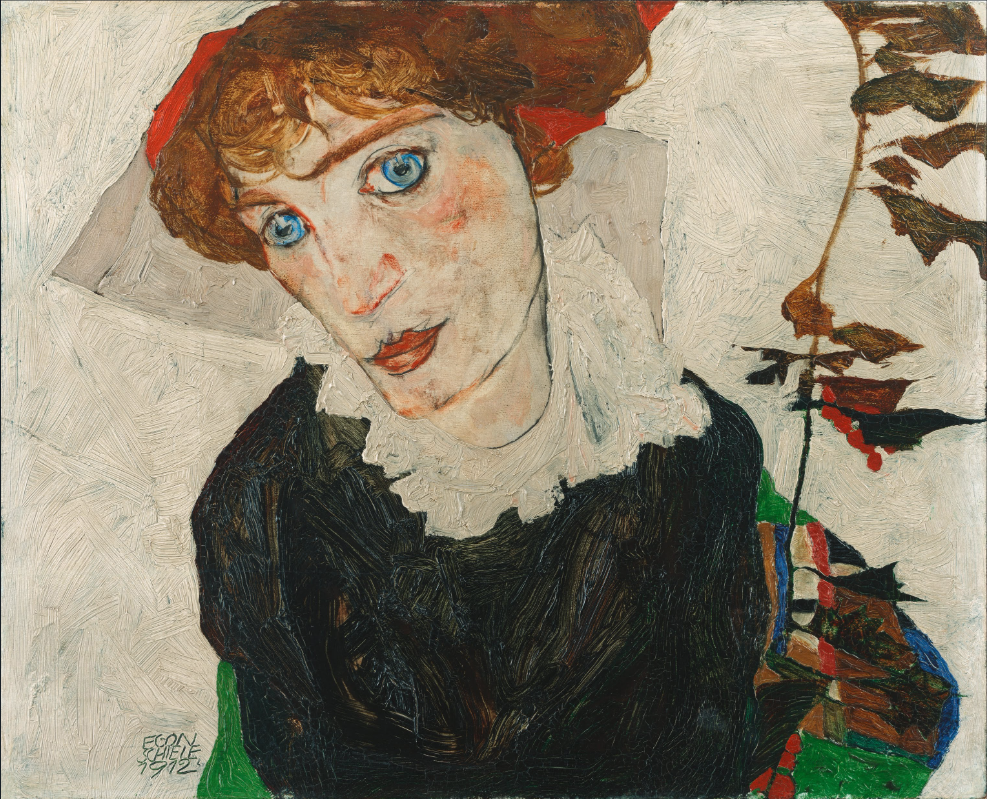
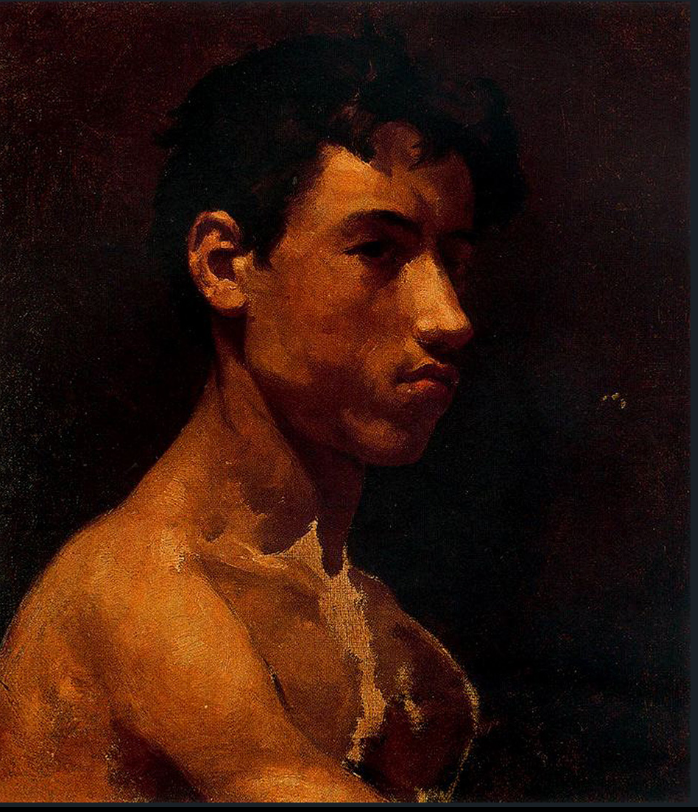
Egon Schiele’s Portrait of Valerie Neuzil (1912) stands as one of the most compelling portraits of the Viennese Modernist movement. Depicting his muse and companion, Wally Neuzil, the composition features sharp, angular contours, dramatic head tilt, and intense facial expression. Rather than focusing on idealized beauty, Schiele highlights psychological depth through bold, irregular line work and contrasting focal points. The direct stare and structural tension form an immediate visual anchor that commands attention in any interior setting.
Recreating Schiele’s Distinctive Color and Texture
In crafting a hand-painted interpretation of this historic piece, artists focus on capturing the delicate balance between delicate washes and expressive oil application. The palette relies heavily on subtle earth tones—warm ochres, muted olive, and cool neutrals—punctuated by deliberate tonal contrasts in the hair and facial highlights. Recreating Schiele’s work requires a confident, fluid touch to preserve the intentional scratchiness, visible brush edges, and distinct graphical character of his brushwork, ensuring the final canvas retains its captivating artistic atmosphere.
Framing and Interior Styling Suggestions
The striking silhouette and muted warm tones of the Portrait of Valerie Neuzil make it an ideal focal point for contemporary, industrial, or minimalist spaces.
-
Wall Palette: Pairs exceptionally well with warm charcoal, light warm grey, off-white, or exposed brick backdrops that complement its earth-toned palette.
-
Atmosphere: Perfect for creative modern studios, minimalist living rooms, executive offices, or gallery-style hallway displays.
-
Framing Options: A slender matte-black floater frame highlights the sharp contours, while a modern dark wood frame seamlessly blends with classic or eclectic decor.
Key Details
-
Original Artist: Egon Schiele
-
Artwork Title: Portrait of Valerie Neuzil
-
Year of Original: 1912
-
Art Style / Movement: Expressionism / Art Nouveau (Modern)
-
Medium: Hand-painted oil on canvas (reproduction)
-
Original Location: Leopold Museum, Vienna, Austria




Reviews
There are no reviews yet.