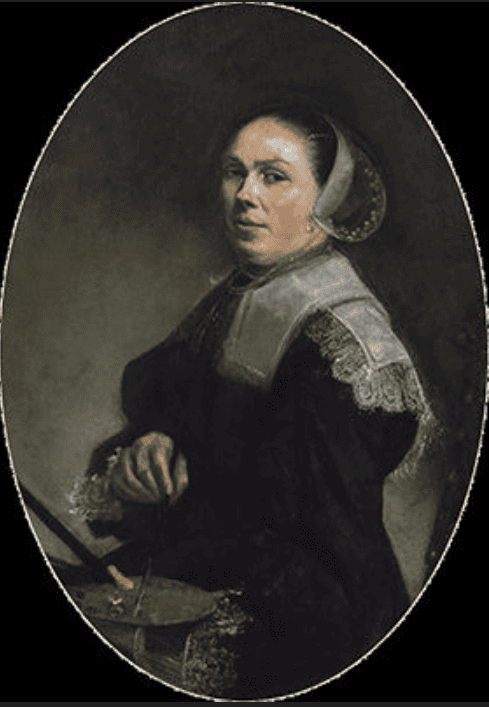
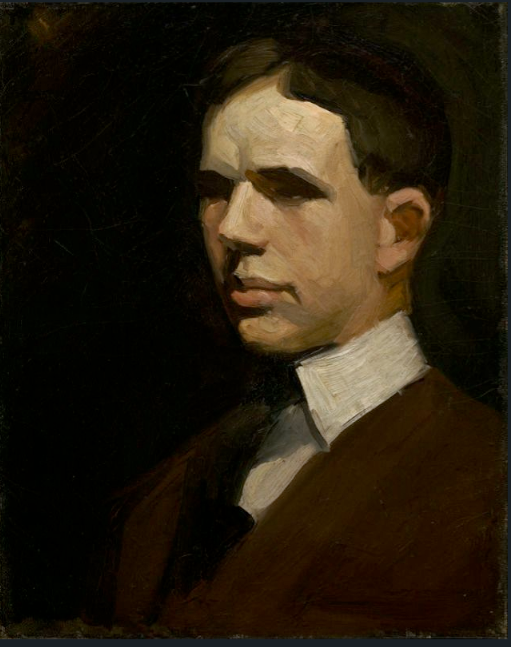
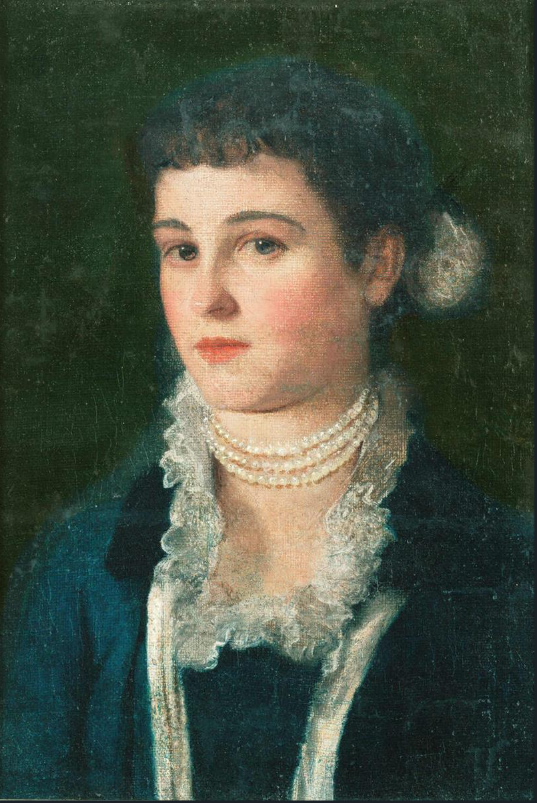
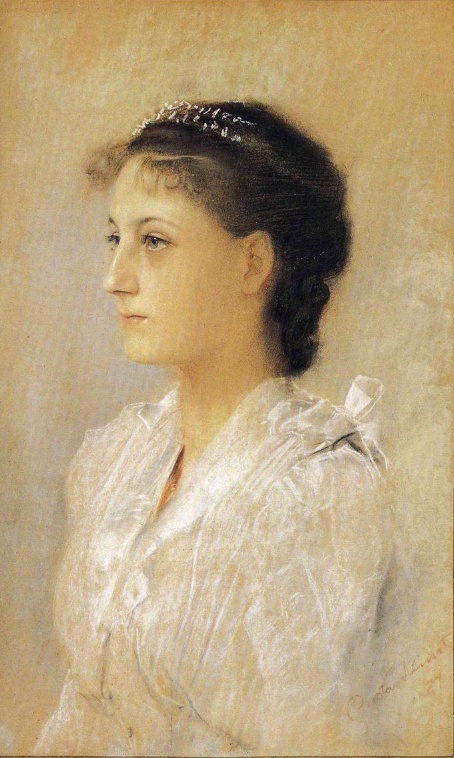
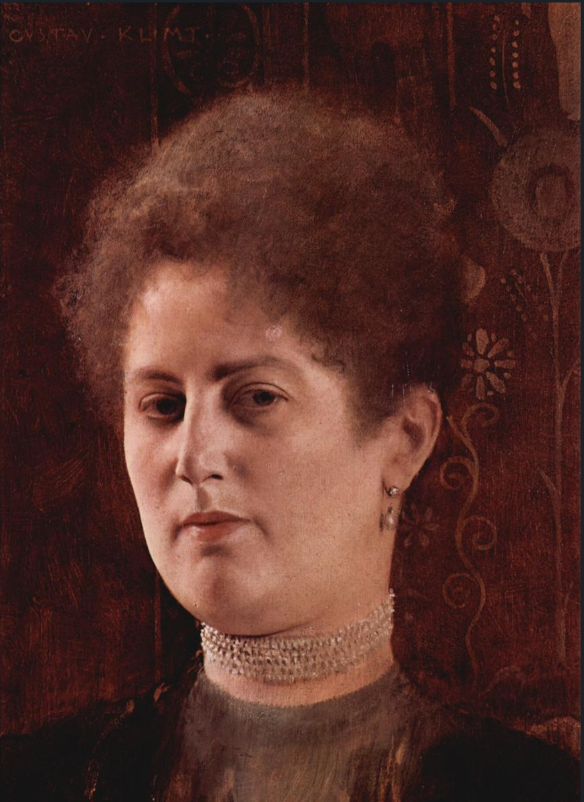
Painted around 1653, this self-portrait belongs to the later phase of Judith Leyster’s career. Unlike her well-known tronies and lively tavern genre scenes, this composition focuses on her own likeness as a professional artist. She presents herself with poise and restraint, a powerful statement at a time when few women gained recognition as independent masters. The close framing and soft directional light draw attention to her facial features and direct gaze.
Light, Colour and Brushwork
Subtle chiaroscuro shapes the portrait. Gentle highlights illuminate her face and collar against a dark, understated background. Warm, muted earth tones dominate the palette. Our hand-painted oil reproduction carefully replicates these soft light transitions and her controlled, naturalistic brushwork, capturing the calm, assured character of her self-representation.
Reproduction Focus
Self-portraits by 17th-century Dutch women painters are extremely scarce, making this piece a meaningful collector’s choice. It differs from Frans Hals-influenced, high-energy tronies that made Leyster famous, showcasing a quieter, more introspective side of her artistic identity.
Suggested Display
This Baroque self-portrait works beautifully in dark academia, classic, traditional and gallery-style interiors. A slim dark wood frame complements the restrained contrast of light and shadow. Recommended wall colours: warm taupe, muted cream and soft charcoal.
Key Details
- Artist: Judith Leyster
- Artwork: Self Portrait
- Date: c.1653
- Style: Baroque
- Genre: self-portrait
- Media: oil, canvas
- Location: Private Collection
- Product type: hand-painted oil reproduction




Reviews
There are no reviews yet.